
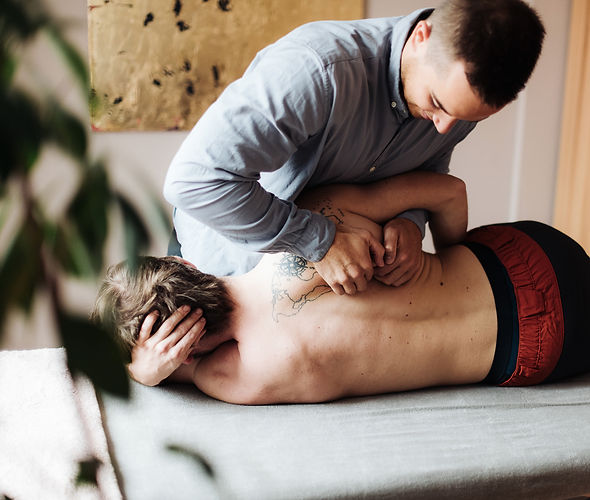
Osteopathy
As part of complementary and alternative medicine, osteopathy is based on a holistic health concept and view of man.
Over the course of our lives, stress, physical and emotional injuries leave their mark on the body. These can one day surface in the form of symptoms that are not immediately identifiable and an imbalance in health.
Osteopathy makes it possible to find and treat precisely these traces and imprints in the body. In this way, the body is gradually restored to balance and health. The trained hands of osteopaths make it possible to detect and treat mobility restrictions and blockages in the various systems of the body.
Any restriction of the mobility of a tissue (e.g. muscles, ligaments, fascia, bones) can lead to a disruption of the health balance.
In addition to osteopathy, we also support you with physiotherapy and chiropractic . For babies and children, we offer specialized pediatric osteopathy and pediatric physiotherapy .
SPECIAL AREAS


SPECIAL AREAS

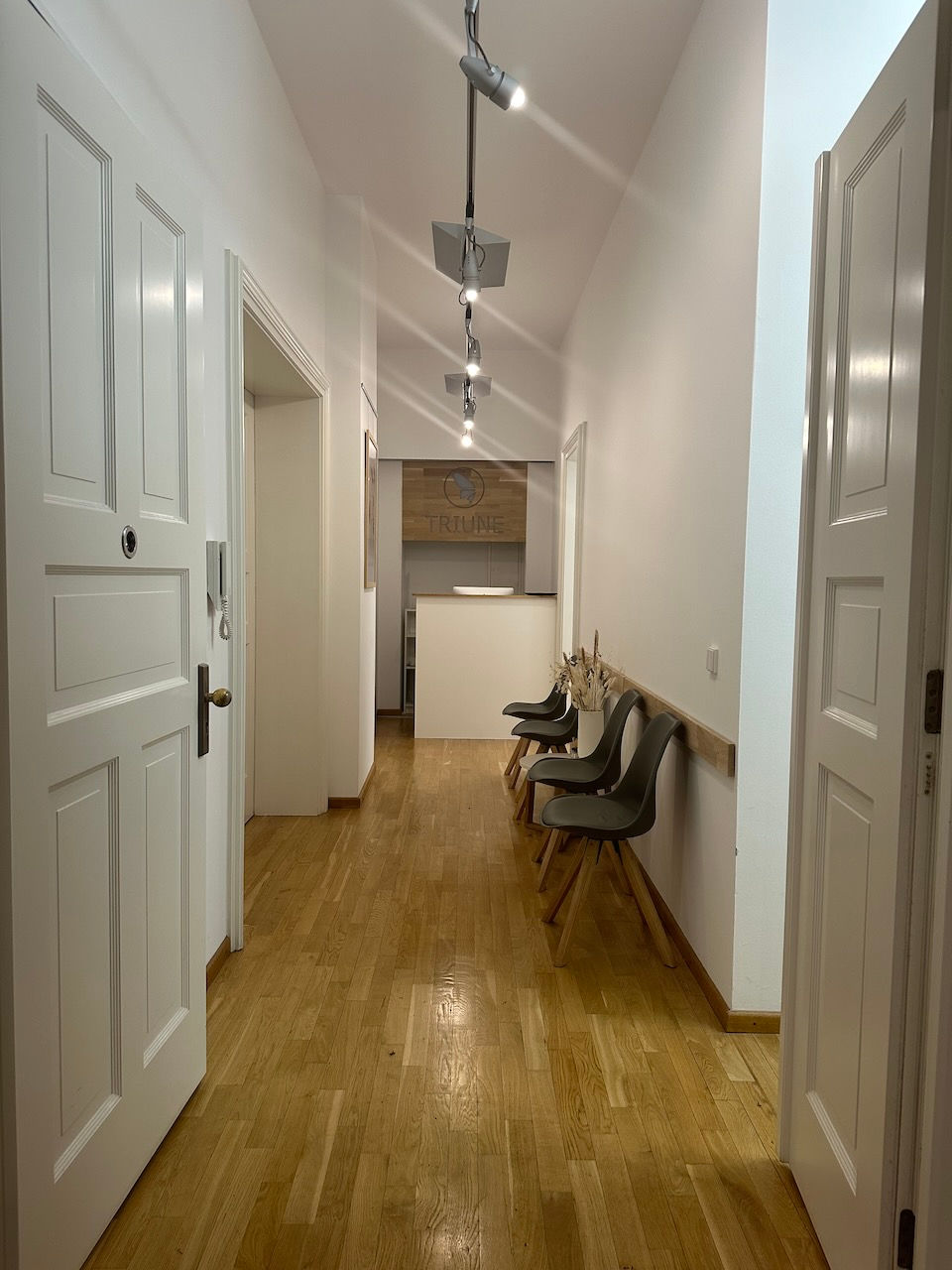

Parietal osteopathy
A solution for back and neck pain, as well as joint and spinal problems Parietal osteopathy focuses on the musculoskeletal system – whether bones, muscles, ligaments, or tendons – and uses specific osteopathic diagnostics to assess the structures involved. With the help of tests for the spine, joints, and muscles, we create a profile of your body and derive the optimal treatment for you. In this way, we aim to sustainably eliminate existing dysfunctions that often cause pain and show you what your musculoskeletal system needs to function smoothly in the long term.
Typical symptoms
Back and neck pain
Joint problems
Muscle pain & tension
Sports injuries
Overuse injuries
Pain and functional impairments after injuries
Visceral osteopathy
Visceral osteopathy focuses on the treatment of the internal organs. Using specific examinations, we gain an understanding of your gastrointestinal tract, as well as your liver, spleen, and kidneys. The results of this assessment are directly incorporated into our osteopathic treatment, which is often accompanied by supportive naturopathic methods. This approach has proven successful for us in numerous cases.

Typical symptoms
Digestive problems
Respiratory diseases
Urogenital complaints
Postoperative complaints
Liver and gallbladder problems
Immune system disorders
Metabolic disorders

Craniosacral osteopathy
Did you know that our skull consists of 22 individual bones connected by sutures? Or that the entire central nervous system—comprising the brain and nervous system—is encased in a sac of connective tissue containing fluid that constantly circulates around the brain? Craniosacral osteopathy (craniosacral therapy) focuses on the head (cranium) and the sacrum, and the connection between them: the meninges and the central nervous system. We assess the mobility and position of the bones involved in the system and reposition any misalignments within your craniosacral system.
Typical symptoms
Headaches: Migraine, cluster headache & chronic headaches
Tinnitus
Balance problems
Visual disturbances, strabismus & painful eyes
stress
Sinusitis
Middle ear infection
What can you expect during the treatment and what should you be aware of?

At your first appointment, we will take a comprehensive medical history and conduct a thorough examination. The treatment itself is painless and consists of gentle manipulations to release tension and improve organ mobility. Before the treatment: Wear comfortable clothing and avoid large meals immediately before your appointment. After the treatment: Allow your body time to adjust, avoid strenuous activities, drink plenty of water, and pay attention to any changes that you should report to your therapist.
teaching practice
TRIUNE Osteopathy, Physiotherapy & Training is a teaching practice for osteopathy students at Fresenius University of Applied Sciences. We offer students a space to further develop and consolidate the knowledge acquired during their studies. We would like to provide the best possible support for the next generation of osteopaths.

What can you expect during the treatment and what should you be aware of?
Would you like to learn more about your symptoms? In our comprehensive guides, we explain the causes, anatomy, and osteopathic treatment approaches — including exercise videos for home use.


